Ways to Keep Your Family Safe this Holiday Season

Ways to Keep Your Family Safe this Holiday Season


How to Sharpen Your Sales Skills for the Holiday Season, Part 1 - MASSAGE Magazine

During the holiday season, the family is at home, the in-laws are visiting, and everyone is looking to relax. With more people regularly in your home, there is also a higher risk of an accident occurring. It is better to air on the side of caution with a few easy safety measures, to put your mind at ease, and you can focus on the family for the holiday season.


1. Replace batteries in your smoke detector.
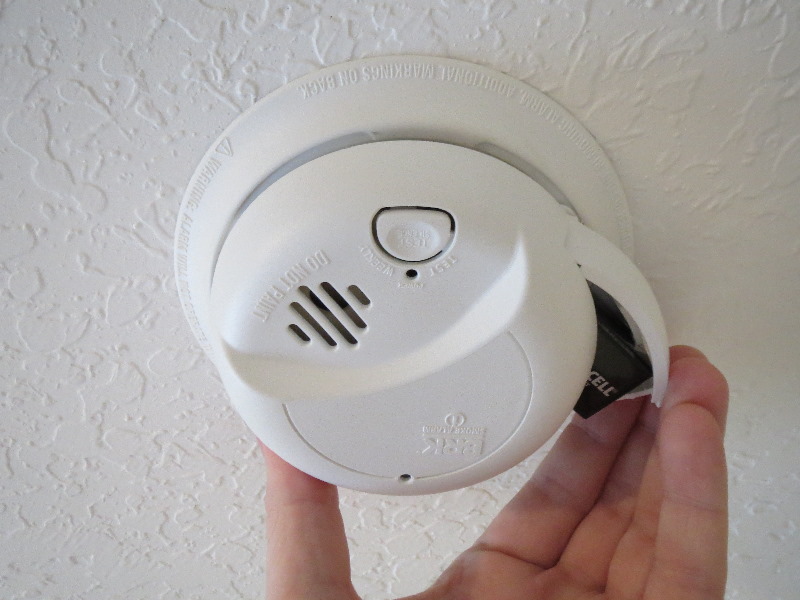
Chirping Smoke Detector? Fix or Replace It - Zions SecurityIt may be tempting to remove the batteries from the detector to shield your ears from the smokey cooking accidents from your uncle’s thanksgiving cooking mishaps, but this is a big mistake. During the holidays there is a larger amount of fire hazards in your home, starting with the giant tree sitting in your living room. Wrapping paper, Christmas light wires, and the fireplace are all essential holiday items but are all fire hazards you bring into your home. Ensuring your smoke detector is working, is a small precaution that can save a lot of stress if the worst is to happen.


2. Never place gift wrapping paper or tree clippings in your fireplace

Putting wrapping paper in your fireplace will cause toxic fumes. If that’s not bad enough.  the paper can easily fly out of the fireplace and spread the fire to the rest of your home. Putting vegetation from your Christmas tree will create flares in your fire that can not only damage your firebox and chimney, but can lead to excess smoke that will pour into your home, or lead to an uncontrollable fire

How to Fix Christmas Lights3. Inspect seasonal lights, plugs, and chords.

This is a simple task that will prevent frayed chords from sparking and lighting any dried branches on fire.


4. Cover electric cords to avoid a tripping hazard.

Extension Cord Safety - Northwoods HardwareKeep wires out of reach from pets, especially teething puppies, because if a pet bites a live wire, it will cause a severe shock and is a potential fire risk.


5. Get your chimney inspected!

Especially if you haven’t had a maintenance checkup this year. Chimneys need to be cleaned and checked for damage once a year or dangerous creosote can build up and cause chimney fires.

Need help cleaning your chimney? We got you.

Cyprus Air is the industry leader, serving VA, MD, & DC since 1967. We offer service-oriented expertise and reliability to ensure high-quality standards. Cyprus Air is a featured Washington Gas installer & dealer, a badge we wear proudly so you can feel comfortable choosing Cyprus Air Fireplace Systems. Call 888-740-8440 or visit gasfireplaces.com to schedule an appointment today

Do Air Ducts Need Cleaning Regularly?

Do Air Ducts Need Cleaning Regularly?


Ever asked yourself: Should I get my air ducts cleaned?


Unlike chimney maintenance, or an HVAC tune-up, which should be done once a year, you don’t need regular cleaning of your air vents. The EPA reports that there has been no conclusive research on the cleaning of ducts to prevent health problems Asthma: Symptoms, Causes, Treatment, Asthma in Children, and More


You should however get your ducts cleaned if your home is infested with vermin such as mice or rodents, there is a noticeable amount of mold in your HVAC or duct system, or if the vents are clogged with dust and debris. 


If you have family members with sensitivities to air quality, such as asthma, a lung condition, or severe allergies, or if members of your household are experiencing unexplained symptoms you think may be attributed to your home environment, according to the EPA, you may want to consult a doctor to see if indoor air quality could be the cause of these ailments, and then consider getting a duct cleaning.


What is Involved in Duct Cleaning?


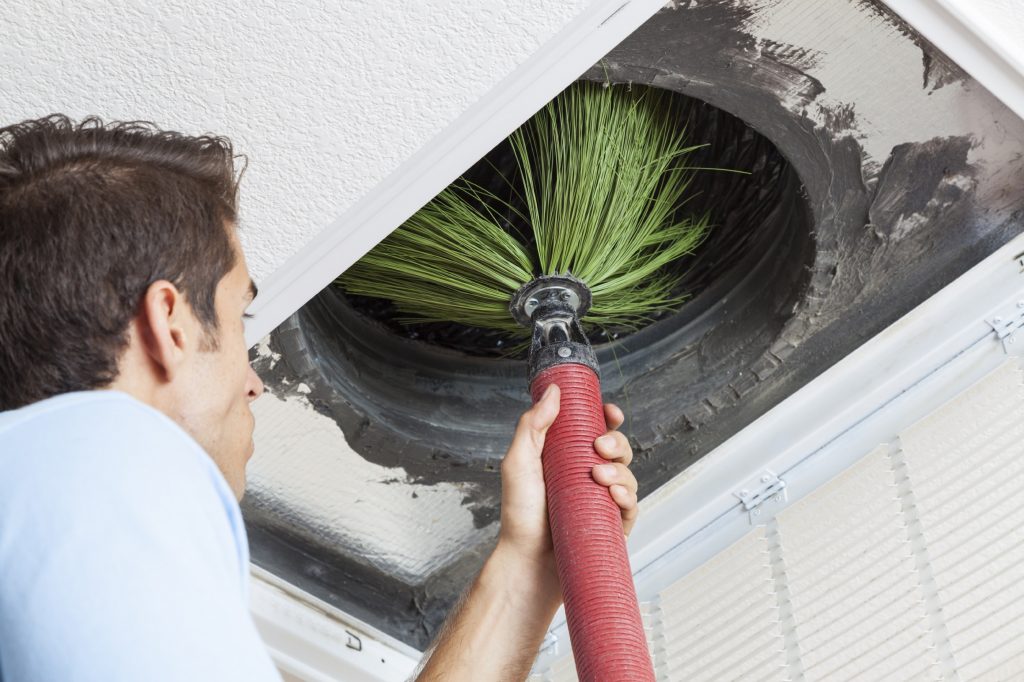
4 Things You Need To Clean Air Ducts Yourself - RuskIf you decide yes, getting your ducts cleaned is something that would benefit your family, there are certain things you should expect. The technician who visits your home will open all ports to allow inspection of the entire system. Once open the technician should inspect the entire system before they start cleaning, this is important to check for any repairs needed, and to check for asbestos, which requires a different method of cleaning with extra safety precautions. 
 

After this, the technician will vacuum and exhaust particles out of your home, while protecting all your carpets and furnishings. That’s how you know you’ve chosen a good HVAC maintenance provider—they’ll care for your entire home, not just the worksite. Along with vacuuming they will clean cooling coils and drain pans. 


If your ducts need to be cleaned of mold, make sure you ask the technician what the cause of mold is because unless remedied, it is likely to grow back. 


Preventing Contamination


Finding dust in your vents is normal. But that doesn’t mean there aren’t things you can do to limit the amount of dust getting into your ducts. Regular changing of your air filters will help prevent dirt from entering your system. If you notice your air filters become clogged, you’ll need to change them more frequently. Ensure there are no missing filters anywhere in your air ducts where debris will be able to enter. 


If you are having construction done on your home, seal off any supply vents and don’t operate the heating and cooling system until all the construction dust has been cleaned. 


To prevent mold, your ducts should not have any moisture. Even if it is just condensation or a leak in the system it likely means your ducts were improperly installed. These damages should be promptly prepared. 


Choosing a Provider


You can be sure Cyprus Air will take care to protect your ducts as if they were in our own home! We offer free in-home estimates! As well as maintenance plans starting as low as $20 a month. Remember regular maintenance of your HVAC will keep you from having more expensive repairs, or a specialized air duct cleaning in the future. And if after reading this article you decide you do need your ducts cleaned out, we promise to use our expertise 


5 Ways to Avoid Being Too Cold This Winter

HOA 5 Ways to avoid being cold with winter


Humid AirHumidifiers and Health: Uses, Types & Risks

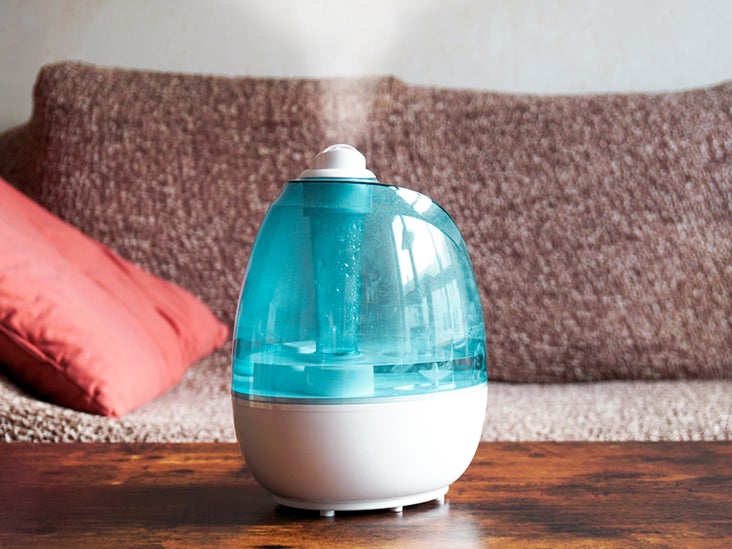
You may be surprised to learn that houses with more humidity will retain heat better. Adding a humidifier will make your house warmer because the water in the air is able to retain more heat. Now we’re not talking about making your house as humid as a hot summer day right after a Florida thunderstorm, that’s not anyone’s idea of a comfortable living style. But adding just a little bit of humidity into your home will keep your home feeling cozy without the need to crank the thermostat as high. And as a bonus, it will prevent the dreaded dry skin and chapped lips that are symptoms of the dry winter air.


Winterized Home

A winterized home is better at keeping cold air out and warm air in. It’s a good habit to repair cracks in windows or doors at least once a year. We recommend doing this in the autumn when you should also remember to install weather stripping before the days get too cold.


If last year you noticed your heating system struggled to keep your home warm, it’s worth it to consider adding extra insulation, adding window film, and blocking an unused chimney so cold air can’t flow into your home. Don’t forget to reverse the direction of your ceiling fans to a clockwise direction! This way it’ll help push hot air around the room.


Nest Thermostat Review | PCMagBetter Thermostat

Having a thermostat that automatically turns down the heat as you go to sleep and brings it back up before you wake up may seem like a fantasy, but a modern-day programmable thermostat can do all this and more. Programming your heater will not only save you energy it will also save you money on your heating bills. 


Cover Outdoor Units

If your HVAC system includes an outdoor unit, you should consider giving it a bit of protection by investing in a cover. A cover is an excellent way to protect your system through harsh winters. However, you will need to give a little more maintenance to your outdoor unit if it has a cover. Trapped water and debris inside the cover can cause more harm than good. 


Change Your Air FiltersHow Often You Should Change Your Air Filter

We say this a lot, but your air filter is one of the best ways to make sure your home is getting the cleanest air possible which your lungs will thank you for. Clean air filters also allow a smoother airflow through your system, making your unit more efficient, and it protects your unit from debris. 


Professional Maintenance

Finally—HVAC maintenance is the best way to make sure your system is running most efficiently. Getting a seasonal tune-up will include a cleaning and inspection. Cyprus Air offers maintenance plans starting at only $20 a month. We are also now offering a $39 HVAC tune-up, which is a savings of over $140! Call 888-775-6540 today for more information. 


Will an HOA affect HVAC Requirements?

Will an HOA affect HVAC Requirements?


Can Your HOA Foreclose on Your Home for Non-Payment of Dues? - Gem McDowell Law | 843-284-1021| Estate-Business-Law-Local

In short: Yes! Homeowners Associations (HOAs), especially those in newer neighborhoods, will often have rules about HVAC units. There are many benefits to living with an HOA, but when it comes to installation, knowing what regulations are in place can be tricky.


Common HOA Restrictions


Typically, HOA’s will have rules against window-mounted air conditioners, that are easily visible from the exterior of your home. Common outdoor units are almost always allowed by HOA’s but if you are unsure, it is best to consult the HOA handbook, because each Homeowners Association has a different set of rules.


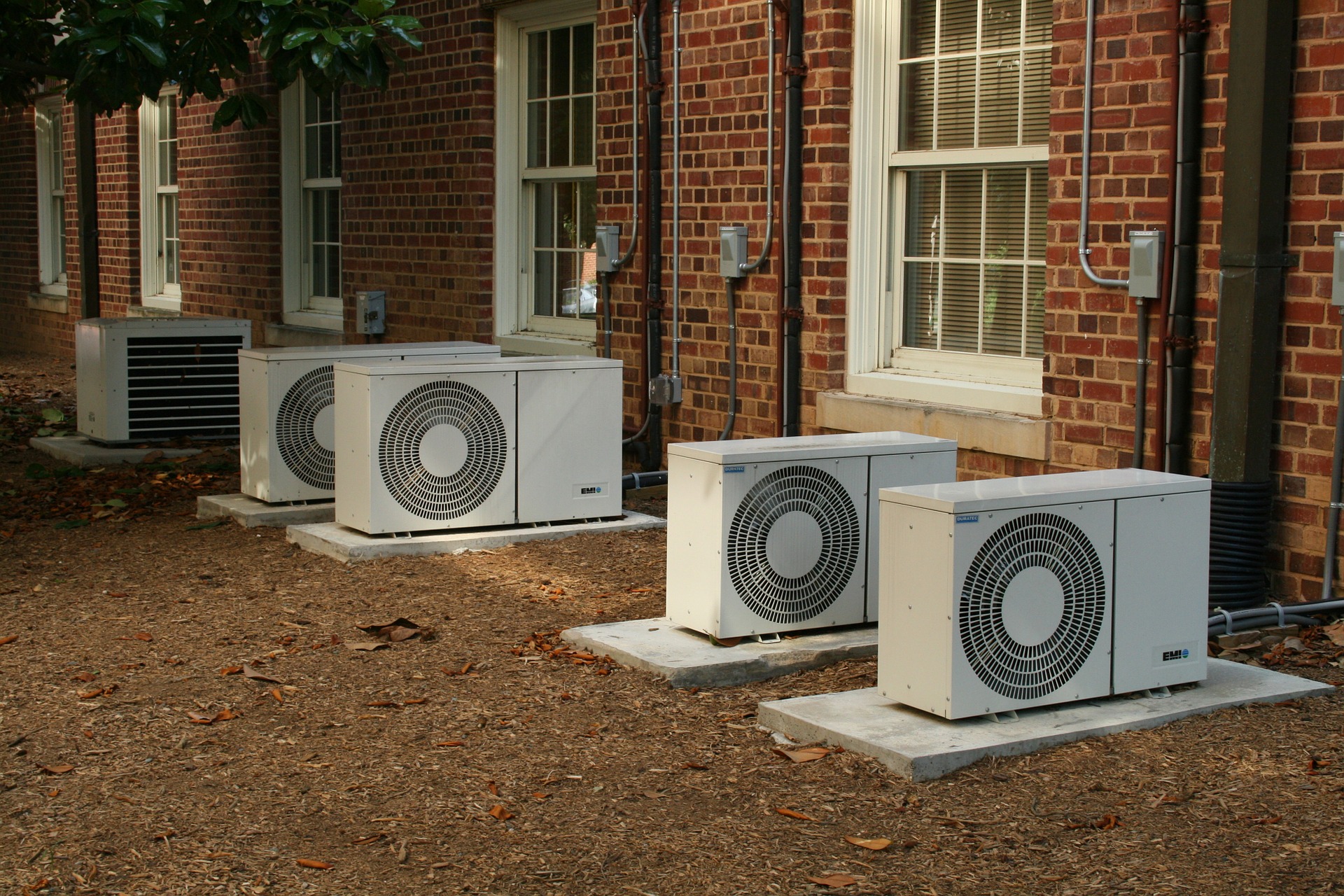
6 Types of Air Conditioners For Homes You Should Know AboutAnother common restriction is where you can put the location of your outdoor unit, or if you live in a townhouse or duplex, ensuring your unit is placed away from your neighbor’s property. Some HOA’s will even have a designated location where you are restricted to placing your unit.

If you’re looking for alternatives to a traditional air conditioning unit or if you want supplemental heating or air unit, consider a ductless mini-split, or a heat pump, that is less visible from the exterior of your home and will more easily comply with your HOA requirements. Both heat pumps and ductless AC units are versatile and energy-efficient.


HOA’s Responsibility


If your HVAC is shared between several housing units you will need to go through the HOA to request maintenance.

AC Installation Services by Will Fix It in San Antonio, TX

Occasionally the HOA may be responsible for your HVAC unit repair even if the unit is for an individual home. Under local laws, if an issue is considered “damage” by insurance terms, for example, damages from hail, or a hurricane, it becomes the HOA’s responsibility to repair the unit.

When it comes to maintenance, if you’re living in a detached home, is dependent on the agreement you signed when initially moving into the property. If you are living in an individual unit


Review HOA Rules


The best way to know what the regulation for your HOA is to read their rules! Some Homeowners Associations use template agreements, but not all of them! Whenever moving to a home with an HOA it is good to read over the HOA agreements. And if you’ve lived in an HOA for years and still don’t know the rules it’s never too late to peek at the agreement. You can’t assume your HOA has no stipulations when it comes to an HVAC system, even if you live in a detached home.

Cyprus Air Heating and Coolingreviews - Alexandria, VA 22306. 1 through50, Cyprus Air, heating, cooling, air conditioner, heat, pumps, air handlers, thermostats gas furnaces Fireplaces Fire logs Vent Free Logs Vented Logs


Go to the Professionals


We are always here to help! If your HOA says they won’t have anything to do with repairing or maintaining your HVAC unit, you’ll want a trusted provider who can deliver you professionalism, transparency, and affordability. Cyprus Air can provide that for you! With licensed and certified technicians, we even offer a FREE in-home estimate for new HVAC units. Don’t pay unnecessary fees before you’ve even committed to getting a new unit. Our technicians will work with your family and HOA needs to deliver you the best deal possible on a new HVAC unit or provide HVAC repairs when applicable.


Already have a unit and need an air conditioning service near you? Cyprus Air also offers a $39 tune-up in the Alexandria, Falls Church, and Rockville area. That’s a savings of over $140! It’s best to get your HVAC unit cleaned and serviced once a year to ensure your HVAC is running as smoothly and efficiently as possible, so you won’t have to worry about a broken HVAC and potentially confusing HOA rules!


Heat pump vs Air conditioner: What’s right for you?

Heat pump vs Air conditioner: What’s right for you?

Learn the differences and how to choose the best for your home


Why is My House So Hot? Keep Your Home Cool | Indow Tired of the heat? An air conditioner sounds like the answer to your problems; but could there be another option?

Heat pumps and air conditioners work with the same parts. Both use refrigerants. Both absorb heat from the inside of your home and push it to the outside. Then once your home reaches the desired temperature the unit will shut off.


A heat pump is different from an air conditioner because, at the flip of a switch instead of gathering heat from the inside, the heat pump will gather heat from the outside and push it into your home. Now, this may sound terrible for summer, but in the winter, you can use the heat pump to warm your home. There are pros and cons to this 2-in-1 system, so read on to decide if this is a purchase right for you.

Pros of Heat Pumps

Only one system to maintain

The main draw of a heat pump is the system can be used to both heat and cool your home. This eliminates the need for an individual AC unit and a heating unit, which would equal twice the repairs and maintenance.

Highly Efficient

Heat pumps don’t use fossil fuels such as oil or gas. If properly maintained, they use less electricity and give more heating/cooling.

Heat pump - Wikipedia

Heat pumps cost less to operate

Because Heat pumps are more fuel-efficient, they use less energy costing you less to operate.

Save space

Heat pumps are a bit smaller than air conditioners, and because you won’t need to also invest in a furnace, which will also take up a large amount of space.

Doesn’t Create Heat

A heat pump doesn’t create any heat through air heating. Its purpose is to move heat from either inside your house to the outside, or vice versa. This means you won’t need a furnace, and you won’t need to use energy to create heat for your home.


Cons of Heat Pumps

Less efficient in cold climatesThe Most Prevalent Heat Pump Issues in Winter - Miller's Heating & Air

A heat pump is less effective in climates where temperatures drop below freezing. Because it doesn’t generate its own heat, it will not be able to keep up with extremely cold temperatures.

May need supplemental heat

If you do live in a colder climate you may need to consider a way to add supplemental heat into your home. You could get a full heating system like a furnace, or a personal heater, or a fireplace. But to some this defeats the purpose of getting a heat pump to act as a single heating and cooling unit.

Bigger upfront cost

If you don’t need a heating unit, people won’t spend the extra on a heating pump or carrier coils.


Pros of Air Conditioners

clean-outdoor-ac

Quieter

Air Conditioners make less noise compared to heat pumps.

Can purify the air

Air conditioners often are equipped with filters that filter air pollutants and clean your air. Air conditioners also can be equipped with de-humidifiers to make the air in your home more comfortable.

Less upfront cost

The cost of the installation of an air conditioner is noticeably less than that of a heat pump. This makes an air conditioner unit more attractive to homeowners who live in warm climates and have no use for a heating system.


Cons of Air Conditioners

Can’t be used as a heating unit

The main difference between air conditioners and heating pumps is an air conditioner doesn’t have the capacity to provide heating in your home which can be a problem for HVAC in Maryland, Virginia, Washington DC areas.

High electricity bills 

Air conditioners are less energy-efficient than Heat pumps and if your air conditioner is on for an extended time it can lead to higher energy bills.


How to Prepare Your HVAC for Fall

How to Prepare Your HVAC for Fall

10 tips on how you can be sure you’re ready for the colder months

Prepare Your HVAC System for Cold Weather | Checklist


While these are a few basic tips to get your home ready for the winter months, our certified HVAC technicians have an even longer list of ways they can make sure your system is working in the most efficient way possible. Now is the perfect time to get your yearly tune-up! Call 888-775-5640 or visit indoorcomfort.com to schedule your service, cleaning, and tune-up today!

Check Air Filters

5 Steps to Replace Your Home Air Filter


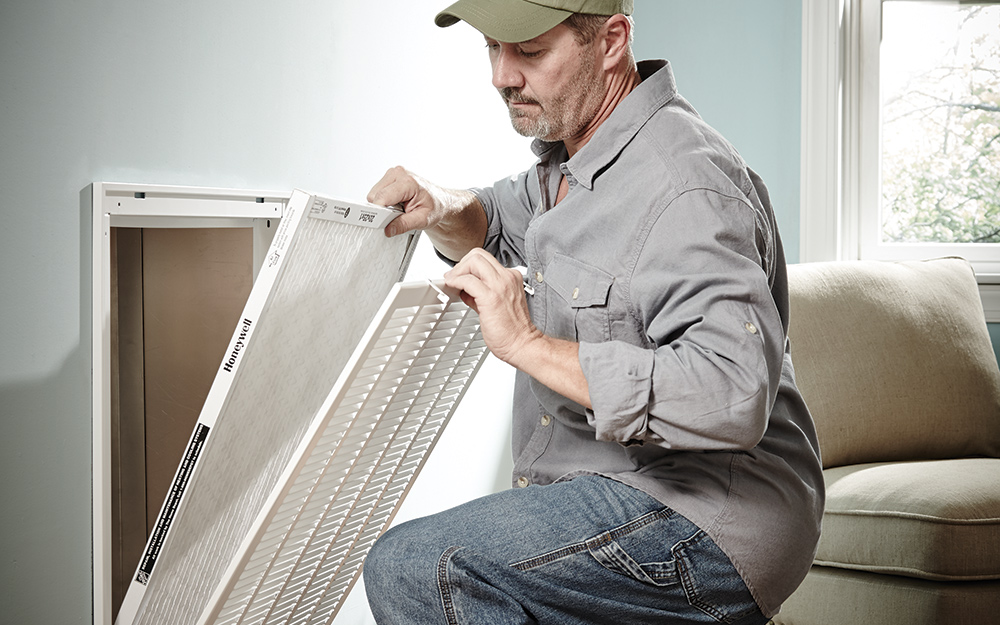
The number one thing you can do to make your HVAC system more efficient is to change the air filters. Ideally, this should be done at least twice a year; if you have pets or have allergies it is beneficial to change them more often. Clean air filters mean max airflow meaning more heat in the winter, less of a chance of air leaks forming, and will keep your utility bills lower. 

Clean Indoor Vents

While giving attention to your air filters clear away any dust in and around your vents. This will make your filter’s job easier and your air cleaner. While you’re cleaning your vents keep an eye out for any air leaks because tip number three is seal air leaks!

Seal Air Leaks

If you come across any air leaks while cleaning the vents, now is the time to seal them! Some of the easier leaks such as around windows and doors can be sealed without professional assistance. This small maintenance will help you save a lot of money and keep your home much warmer when the winter arrives!


Many homes have several leaks in their ducts, which means you’re losing air that should be used in heating your home, and it means higher utility bills. Sealing up these ducts will prevent uneven treated air in your home. These leaks are often more difficult to get at and seal and is probably best to speak with a professional about their maintenance. 

Clean the Outdoor Unit

Your outdoor unit is just as important as the indoor vents. It is often overlooked because it is outside weathering the elements, but this is all the more reason it needs a good cleaning. The summer months are infamous for kicking up extra pollen, grass trimmings, or falling debris from a gold ole fashioned summer thunderstorm. Clear away this debris to increase airflow. Better to do this now when the weather is crisp and cool before the icy cold winter months. If you’re unsure of how to clean your unit give us a shout at 888-775-5640.

Check for Hazards

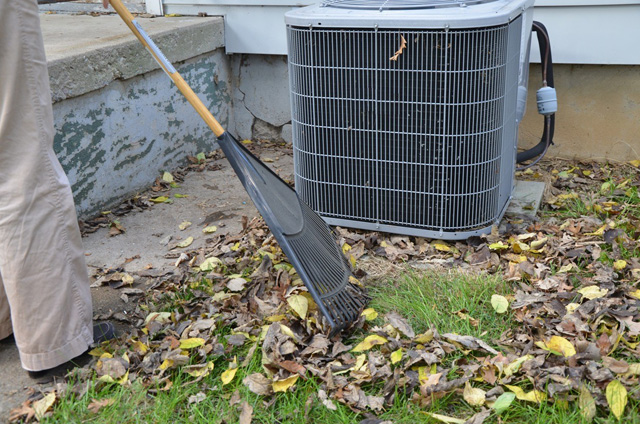
While you’re outside cleaning your outdoor unit, give the area around it a once-over. Make sure there is no build-up of leaves around the unit that will later get caught up in it, this will save you time in the long run. If you had a particularly wet summer, the soil under the unit may not be secure. If you see any wobbling or hear any strange noises, contact a professional immediately. 

When cleaning your AC unit, start by turning off the power. This is when you can remove all the leaves and twigs that have accumulated. Another good tip is to hose off the entire unit to remove dust, dirt, pollen, and grass trimmings (while the power is still off of course) and wait to turn it back on when the entire unit has dried completely. 

Think ahead: now that you’ve looked around the base turn your attention up to the rest of your yard. Plants should be kept at least four feet away from your compressor, so clear away any invasive species. If there are heavy tree limbs or dead branches, that may potentially fall during a snowstorm and damage your unit, it may be worth looking into getting these removed. 

Check Alarms and Detectors

When was the last time you checked the batteries in your fire detector? If you don’t remember, or if it was last month when you removed the batteries to put them in your TV remote, it’s time to check all your alarms and detectors to make sure they’re in working order. 

Although it doesn’t directly affect your HVAC system, it’s a good reminder to change the batteries in smoke and carbon monoxide detectors. These systems should be checked at least once a year. The U.S. Fire Administration recommends they are replaced every 10 years. It’s a perfect time to remember to check up on these life-saving devices are functioning while you are already going through the rest of the systems in your home. 

Check window AC Units

If you have any window AC units, it is a good idea to remove them when you go through the process to winterize your home. This will keep them in better condition for next summer because they are not exposed to the rough winter elements. 

Turn on the Heat

You may want to consider turning on your heating system before the colder months arrive. Wouldn’t you rather find out about any issues in your system before the days get cold and you’re sitting in a freezing house waiting for an appointment with a technician? 

No photo description available.

Schedule maintenance check-up

Finally, another reminder to get an appointment to schedule some yearly maintenance. A professional will be able to fix up any unseen damage, leaks, and alert you to everything that is going on inside your HVAC system. Your heating will take care of you all through the winter, so don’t forget to give it some TLC in return. Call 888-775-5640 or visit indoorcomfort.com to schedule your service, cleaning, and tune-up today!


Problems that Come Up with Dirty Air Ducts

Problems that Come Up with Dirty Air Ducts

When you have dirt in your air ducts, you might not consider the problem to be too dangerous or impactful at home.

But, the truth is that dirty air ducts are linked with numerous health issues and structural challenges across the home space. To help explain the importance of keeping your air ducts clean, we’re highlighting the problems that come up with dirty air ducts, in this latest post.

Higher Energy Costs

Energy costs are rising incrementally across the country, and homeowners now spend thousands of dollars a year trying to keep their equipment running at peak performance.

Dirty air ducts can prevent peak equipment performance. They can lead to the equipment working harder to reach the optimal temperature, using more energy in the process.

Long-Term Maintenance Problems

Because your systems have to work harder to push through the optimal supply of air into the home, you might also encounter HVAC maintenance problems. And so, you could be spending thousands of dollars more per year having to call out heating and cooling professionals to your home.

Keeping your ducts clean with regular cleaning will ensure your HVAC system runs smoothly and doesn’t need to work as hard.

Asthma-Related Problems

The dirt in your air ducts can cause those with asthma to experience breathing difficulties.

Over time, it may even increase the risk of those with asthma experiencing asthma attacks. That’s because they aren’t able to breathe clean air into their lungs.

Sinus Infections

Your sinuses are susceptible to infection if your surrounding environment is unclean. With unclean ducts spreading germs and pathogens throughout the home, you and your loved ones are likely to experience increased instances of sinus infections over time.

These infections can be dangerous by themselves, but can also lead to lung infections, which are a serious condition.

Respiratory Infections

Your respiratory system depends upon a clean exterior environment to function effectively. Make sure that your air ducts are cleaned by professionals to reduce the chances of an infection impacting your throat and lungs. This simple task can help safeguard your health for the years to come.

Our team is here to guide you in cleaning the air ducts around your home while saving you money on HVAC maintenance and reducing home health risks.


Is Your AC Blowing Hot Air? Here is Why!

Is Your AC Blowing Hot Air? Here is Why!

There is nothing more frustrating than when you are hot, and you can’t get relief. You should be able to retreat indoors and expect to be greeted with a refreshing blast of cool air.

But what happens when that blast of air is hot? It’s so not cool.

Don’t get too worked up. Although frustrating, this problem can usually be limited to a few possible sources, most of which require a quick and easy fix.

Here is what you need to know.

Refrigerant Leak

The refrigerant in your air conditioner is a heat transfer liquid, meaning that it transforms the hot air to cool air. If your line is compromised, then the fluid leaks out, and your air remains warm.

If you hear a hissing or bubbling sound near your AC unit when it is running, the leak might be significant. At any rate, you do need professional help for this problem. Call for service.

Tripping the Breaker

flipped-switchYour AC is fitted with breakers to protect from electrical surges.

In some circumstances, the breaker may flip over to the off position.

Check to see where it is.

If this keeps reoccurring, it may be the sign of something more serious with your air conditioner.

Call a professional to get it checked out.

Don’t Forget the Filter

It could be a dirty air filter causing the problem. Have you changed yours recently? You should.

A dirty air filter will obstruct air flow, making your unit work harder than it has to. That means that your energy bills go up too.

It’s not a lot of time to change it every three months, and the benefits are worth it.

If your filter is overly dirty, it can gather condensation and freeze as well, which is going to make your air conditioner blow hot air.

Clean the Condenser

Check outside around your condenser to make sure that there are no trees, bushes or hedges that would interfere with air flow.

Check back often over the summer and trim them back.

Frozen Coils

Resist the temptation to plunge your thermostat when it is really hot outside.

Even though you may think that you are getting your home cooler faster, you are running the risk of causing frozenyour air conditioner to freeze.

Keep your thermostat steady at 72°F.

If it is indeed frozen, turn it off for a few hours and let it thaw.

Thawing should take around 2 – 3 hours. After that, you should have cool air again.


How To Get Your Air Conditioning Ready For A Hot Summer

How To Get Your Air Conditioning Ready For A Hot Summer

We’re seeing the end of spring draw near for the nation’s capital. That means that the days are getting longer, school is soon going to be out, and there will be plenty of time for vacations, great weather for outdoor activities, and, of course, much hotter days.

Sometimes, that temperature can be so high and the air so humid that it can be difficult to live and work, but that’s where technology comes in.

Air conditioners can be a real lifesaver during the hottest days of summer, but you should do some preparation ahead of time to get your unit ready for another season of keeping you cool.

Examine & Maintain Your Condenser

Typical AC systems for the home often have a very large, fan-like unit that is installed just outside the residence.

This hardware is called a condenser.condenser

Its job is to draw in air from the outside, expose that air to a coolant to lower its temperature, then pump that cooled air into the home.

The function of this unit means that it has been built to promote optimal air flow.

That means there’s a lot of space, much of it open, which can then allow detritus to enter in and settle at the bottom of the unit.

If your property has plants or trees, then take some time before summer begins to inspect your condenser and, if a lot of leaves have accumulated, clean it out.

They can impact the performance of your AC otherwise.

Schedule a Filter Replacement

filterAn efficient and very common design for a centralized HVAC system has air conditioner integrated with the furnace, allowing them to share the same ventilation system.

However, this means that the same filter a furnace relies on is the one that the air conditioner will need to use as well.

In these cases, where filters are used all year round, you should schedule regular replacements if you’re using one-time only, disposable filters.

Every seasonal change, that is, four times a year, every three months, is a good schedule to follow.

Make Optimal Use of Your Thermostat

Homes with older thermostats that predate digital controls may want to consider upgrading to a modern system for a couple of reasons.

Newer thermostats tend to be more accurate with reading temperatures, meaning your AC won’t be working any harder than necessary.save-thermostat

But new models can also operate more efficiently because they can be scheduled.

You can program them to remain inactive during the day if no one is at home.

Then, shortly before people start arriving, it can turn on the system and start cooling down the home automatically.

Some new models can even be operated by your phone.


These Easy Monthly HVAC Maintenance Tips Will Prevent Costly Repairs

These Easy Monthly HVAC Maintenance Tips Will Prevent Costly Repairs

Replacing your whole HVAC system is a major expense, and it is usually one that takes you by surprise. Avoid having your system fail right when you need it most to keep cool this summer.

By making a list every month and dedicating a couple of hours to HVAC maintenance, you can prolong your HVAC’s life and fix small problems before they have a chance to develop.
Ready to roll up your sleeves and get started? Here are some helpful tips.

Call for a Tune-Up

If you haven’t yet done your HVAC’s annual maintenance, make your appointment today.

It’s a wise investment because an annual tune-up will effectively prolong your system’s lifespan. In some tune-upcases, it is even required to keep your warranty valid.

During the tune-up, you can expect the technician to clean and inspect all HVAC components.

This task helps to get your system in optimum shape to run reliably and efficiently to keep you cool this summer.

The technician will also look for wear and tear and alert you to any problems to keep on the radar. You’ll have great peace of mind.

Maintain Exterior A/C

Always make sure that there is substantial clearance around your exterior A/C unit.

That means trimming hedges, bushes, and trees to reduce the risk of something falling inside and getting clean-outdoor-accaught in the fan.

Remove anything that has collected on top of the unit. Cleaning the unit on a regular basis is helpful. Start by turning off the power.

Remove the access panel and wipe down fan blades, fins and the inner and outer A/C coils.

Another important task is to ensure monthly that the unit is on even ground. Using a level, determine if it is off kilter.

Use concrete slabs or crushed stone to even it out.

Filter Change

This simple job can have big impact on your HVAC.ac-filter

If you leave a dirty filter in your HVAC, not only are you compromising your air quality, you are making your unit work harder than it has to.

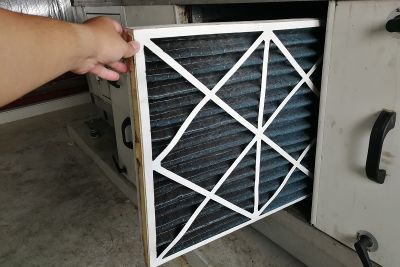
What’s more is that dirty filters often cause HVAC units to fail. It’s recommended that you change your filter every 30-90 days.

If you run your A/C constantly, it is best to stick to the 30-day rule. Same goes if you have pets.

Get a filter that is the most energy efficient (highest MERV rating) for the maximum energy savings benefit.